Spirituality in Islam: 7 Powerful Ways to Deepen Your Connection With Allah
We live in a world that is loud, fast, and constantly pulling us in ten directions at once. And somewhere in the middle of all of it, most of us feel it — a quiet ache, a sense that something is missing. Islam has a name for what is missing. Spirituality in Islam is not a mood or a feeling you stumble into. It is the most important relationship you will ever build — your connection with Allah. And this article is about why nothing else will ever fill that space.
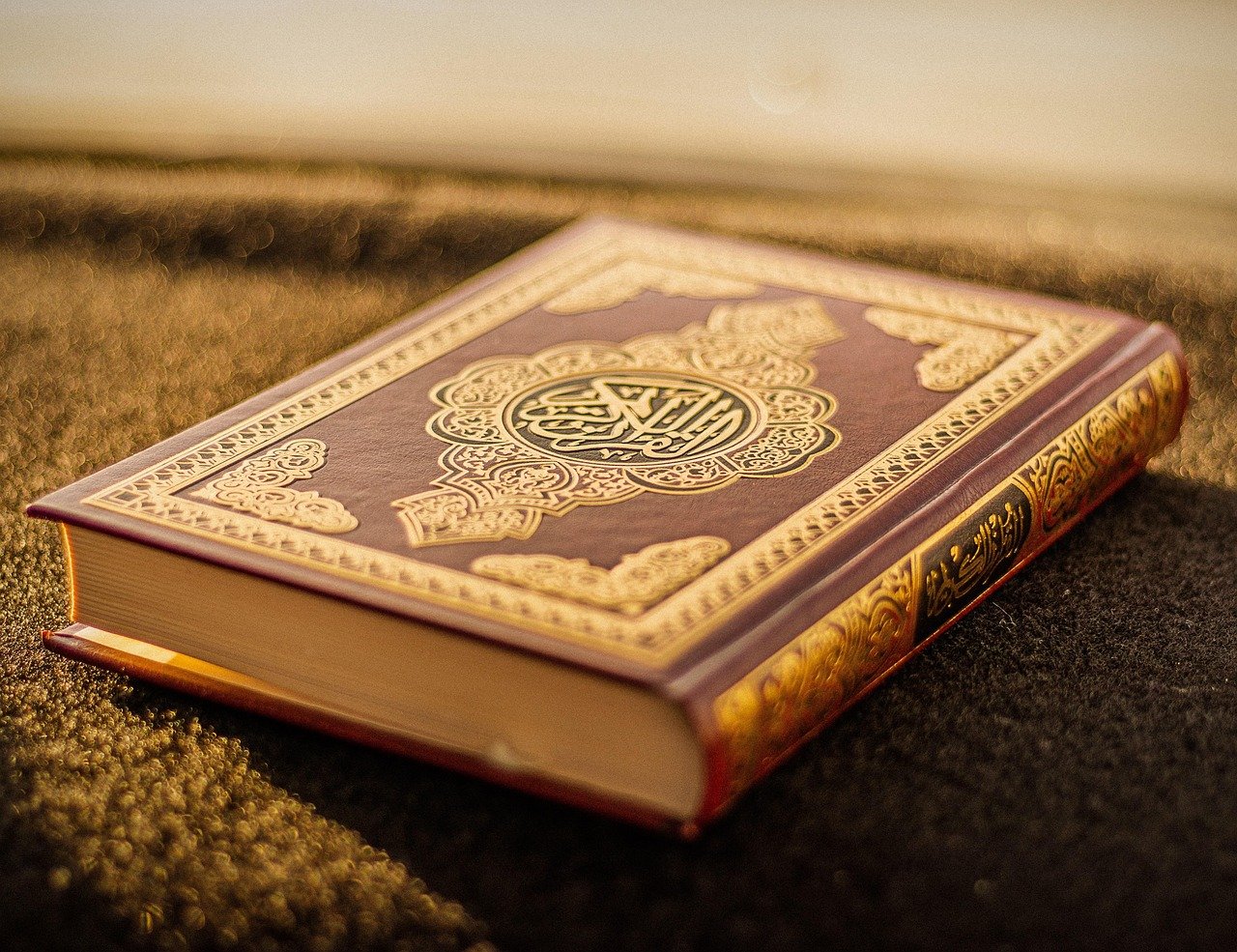
What Spirituality in Islam Actually Means
We need to be honest about something from the very beginning. The word “spirituality” gets used a lot these days — in wellness culture, in self-help books, in social media captions under photos of sunsets. Most of the time it means something vague. A feeling. A mood. Something that comes and goes.
Islamic spirituality is not that.
Spirituality in Islam is not a feeling you chase. It is a relationship you build. It is the ongoing, daily, deeply intentional practice of keeping your heart turned toward Allah — in the good times when it is easy, and in the hard times when it costs you something. It is not reserved for Ramadan or moments of crisis. It is meant to be the fabric of your entire life.
The Quran puts it plainly:
أَلَا بِذِكْرِ اللَّهِ تَطْمَئِنُّ الْقُلُوبُ
“Verily, in the remembrance of Allah do hearts find rest.” (Surah Ar-Ra’d, 13:28)
Not sometimes. Not occasionally. Hearts find rest in the remembrance of Allah. That is not a suggestion — it is a statement about how human beings are built. We were made for this connection, and without it, something in us stays restless no matter how much we accumulate or achieve.
The Heart Is the Centre of Spirituality in Islam
The spiritual life in Islam begins and ends with the heart — the qalb. The Prophet ﷺ spoke about it in a way that should stop us in our tracks. He said, as recorded in Sahih al-Bukhari and Sahih Muslim:
“Verily in the body there is a piece of flesh — if it is sound, the whole body is sound. And if it is corrupt, the whole body is corrupt. Verily, it is the heart.”
Your actions, your relationships, your choices, your character — all of it flows from the state of your heart. A healthy heart produces a healthy life. A heart disconnected from Allah produces a life that feels hollow even when it looks full from the outside.
This is why spirituality in Islam is not about performing a checklist. It is about the condition of your heart while you do what you do. You can pray five times a day with a distracted heart. You can fast Ramadan while your heart is hard. You can give charity while feeling nothing. And none of it will give you what you are looking for — because the goal was never the action alone. The goal is a living, conscious connection with Allah running underneath every action you take.
Why We Lose the Connection (And Why It Happens to Everyone)
Here is something important to say, because too many Muslims carry guilt about it in silence: feeling spiritually distant from Allah is not a sign that you are a bad person. It is a sign that you are a human being.
The companions of the Prophet ﷺ experienced this. Hanzalah al-Usaydi (may Allah be pleased with him) once came to Abu Bakr (may Allah be pleased with him) distressed, saying his iman felt alive in the presence of the Prophet ﷺ but different at home. Abu Bakr said: “By Allah, I experience the same.” They went together to the Prophet ﷺ, and he said — as recorded in Sahih Muslim:
“O Hanzalah, if you remained as you are when you are with me, the angels would shake hands with you in the streets. But O Hanzalah — there is a time for this, and a time for that.”
Iman rises and falls. This is the nature of the human heart. The problem is not that you feel distant from Allah sometimes. The problem is staying distant and doing nothing about it. Understanding this is the first honest step in any serious practice of spirituality in Islam.
7 Powerful Ways to Deepen Your Spirituality in Islam
1. Pray With Presence, Not Just Posture
Five times a day, every Muslim is invited to stop — actually stop — and stand before Allah. Not in a general way. Directly. Personally.
There is a hadith qudsi in Sahih Muslim where Allah says He responds to each verse of Al-Fatiha as you recite it — “My servant has praised Me… My servant has glorified Me…” This is a conversation happening five times a day. The problem is most of us are there in body but not in mind.
Khushu — presence of heart in salah — develops when you slow down before the prayer, know what you are reciting, and remind yourself before saying Allahu Akbar that you are standing in front of Allah. Even one prayer a day done with genuine presence will do more for your spiritual life than a week of distracted ones.
2. Make Dhikr Part of Your Breathing
The Prophet ﷺ said, as recorded in Sahih al-Bukhari: “The example of the one who remembers Allah and the one who does not is like the living and the dead.”
Dhikr keeps the heart spiritually alive between acts of worship. It requires nothing — no wudu, no specific place or time. You can be driving, cooking, walking, or waiting and be in the remembrance of Allah. The Prophet ﷺ told us that SubhanAllahi wa bihamdihi, said one hundred times a day, wipes away sins even if they are as much as the foam of the sea (Sahih al-Bukhari). There is no excuse for an empty heart when the remedy is this accessible.
3. Read the Quran as a Letter Addressed to You
Many Muslims revere the Quran deeply but open it rarely. Others recite it regularly without understanding a word. Neither of these is what the Quran asks of us.
Allah describes the Quran as:
شِفَاءٌ لِّمَا فِي الصُّدُورِ
“A healing for what is in the hearts.” (Surah Yunus, 10:57)
A healing only works when it is taken. Five minutes a day of reading Quran with meaning — stopping to think about what Allah is saying directly to you — will begin to change something. Spirituality in Islam is fed directly by this relationship with the Quran. Nothing replaces it.
4. Return to Allah Daily Through Tawbah
One of the most spiritually destructive patterns is this: sin, feel distant, stay distant because of shame. The shame compounds the distance. And we drift further.
Allah says:
قُلْ يَا عِبَادِيَ الَّذِينَ أَسْرَفُوا عَلَىٰ أَنفُسِهِمْ لَا تَقْنَطُوا مِن رَّحْمَةِ اللَّهِ
“Say: O My servants who have transgressed against themselves — do not despair of the mercy of Allah.” (Surah Az-Zumar, 39:53)
The Prophet ﷺ sought forgiveness more than seventy times a day (Sahih al-Bukhari) — and he was already forgiven. Tawbah is not a one-time event. It is a daily practice that keeps the heart clean and turned toward Allah. Make it part of every night before you sleep.
5. Bring Allah Into Your Ordinary Moments
Spirituality in Islam is not a retreat from the world. It is a way of being in the world. You do not need to leave your job, your family, or your daily life to be spiritually alive.
When you deal honestly in business — that is spirituality in Islam. When you are patient with your children at the end of a long day — that is spirituality in Islam. When you choose not to say the thing that would win the argument but wound the person — that is spirituality in Islam. When you give from what you love, not just from what is leftover — that is spirituality in Islam.
The Prophet ﷺ said: “The most beloved of deeds to Allah are those done consistently, even if they are small.” (Sahih al-Bukhari). This is the secret: it is not built in one dramatic night. It is built in the accumulated weight of small choices made in Allah’s direction, every single day.
6. Reflect on the Signs of Allah Around You
The Quran repeatedly calls the believers to look — at the sky, the earth, their own creation — and reflect. This practice of tafakkur, deep reflection, is one of the most underused tools of Islamic spirituality.
إِنَّ فِي خَلْقِ السَّمَاوَاتِ وَالْأَرْضِ وَاخْتِلَافِ اللَّيْلِ وَالنَّهَارِ لَآيَاتٍ لِّأُولِي الْأَلْبَابِ
“Indeed, in the creation of the heavens and the earth and the alternation of the night and the day are signs for those of understanding.” (Surah Al-Imran, 3:190)
One hour of genuine reflection on the creation of Allah can do more for your heart than hours of passive scrolling. The signs of Allah are everywhere. We have simply stopped looking.
7. Keep Righteous Company
The people around you shape your heart more than most of us admit. The Prophet ﷺ said: “A person is upon the religion of their close friend, so let each of you look at whom they take as a close friend.” (Abu Dawud — authenticated)
Spirituality in Islam cannot be built in isolation from other believers. Find people who remind you of Allah. Sit in circles of knowledge. Attend the masjid. When you are surrounded by people who take their deen seriously, something in you rises to meet that. The opposite is equally true — and far more dangerous.
What Happens When You Build This Connection
When the heart is truly connected to Allah — not perfectly, but sincerely and consistently — something shifts. Not all at once. Not dramatically. But real and unmistakable.
Fear begins to lose its grip, because you know nothing happens without the permission of the One you trust completely. Grief becomes bearable, because you carry it with Allah. Gratitude becomes your default. Contentment grows — not the passive kind, but the deep kind that knows this world is not the final destination.
The Quran describes the people who have this:
الَّذِينَ آمَنُوا وَتَطْمَئِنُّ قُلُوبُهُم بِذِكْرِ اللَّهِ
“Those who believe and whose hearts find rest in the remembrance of Allah.” (Surah Ar-Ra’d, 13:28)
That rest is real. It is available to every Muslim who chooses to turn toward Allah — sincerely, consistently, without waiting until they feel ready. Spirituality in Islam does not ask you to be perfect. It asks you to begin. You start where you are You do what you can. And you let Allah do the rest.
FAQs
Q: What is spirituality in Islam? A: Spirituality in Islam is the conscious, daily practice of keeping your heart connected to Allah through salah, dhikr, Quran, tawbah, and righteous action. It is not a passing feeling — it is an intentional relationship built through consistent worship and remembrance, woven into every part of daily life.
Q: How do I strengthen my spirituality in Islam? A: Begin with what is already obligatory. Pray your five daily salah with genuine presence and slow them down. Add short daily dhikr, five minutes of Quran with meaning, and make tawbah every night. The Prophet ﷺ said the most beloved deeds to Allah are those done consistently, even if small (Sahih al-Bukhari). Consistency is the key.
Q: Why do I feel spiritually disconnected from Allah? A: Spiritual disconnection is something every Muslim experiences — including the companions of the Prophet ﷺ. It comes from sin, distraction, or the natural rise and fall of iman. The answer is never shame and withdrawal. It is returning — through tawbah, salah, and dhikr. Allah’s door is always open (Surah Az-Zumar, 39:53).
Q: What does the Quran say about spirituality in Islam? A: The Quran addresses the heart directly throughout. Surah Ar-Ra’d 13:28 states that hearts find rest only in the remembrance of Allah. Surah Yunus 10:57 calls the Quran itself a healing for what is in the hearts. Surah Az-Zumar 39:53 calls every sinful soul not to despair of Allah’s mercy. Islamic spirituality is Quran-rooted at its core.
Q: Is spirituality in Islam only for scholars or religious people? A: Not at all. Spirituality in Islam is built into the daily life of every Muslim — salah, dhikr, patience, honesty, gratitude. You do not need a degree or a title. You need sincerity and consistency. The Prophet ﷺ said the most beloved deeds to Allah are consistent ones, even small (Sahih al-Bukhari). Everyone can build this.
Q: What is the difference between iman and spirituality in Islam? A: Iman is belief — in Allah, His angels, His books, His messengers, the Last Day, and divine decree. Spirituality in Islam is the lived experience of that belief — the quality of heart that develops when iman is actively nurtured through worship, reflection, and remembrance. Strong iman and a living spiritual practice grow together. One feeds the other.
Q: How does spirituality in Islam affect daily life? A: Genuine Islamic spirituality changes how you move through every part of your day. Your dealings become more honest, your patience grows, your gratitude deepens, and your anxiety about the future softens because your trust in Allah is real. Spirituality in Islam is not separate from ordinary life — it is how ordinary life becomes meaningful.
NoorWay is free for everyone, always.
A dua and a share means everything to us.